Pumps are critical to many industrial processes, and maintaining reliable performance is essential for keeping operations running efficiently. One issue that can significantly affect pump performance and service life is cavitation.
Understanding what causes cavitation and recognising its warning signs can help maintenance teams investigate problems before more significant damage develops.
What Is Pump Cavitation?
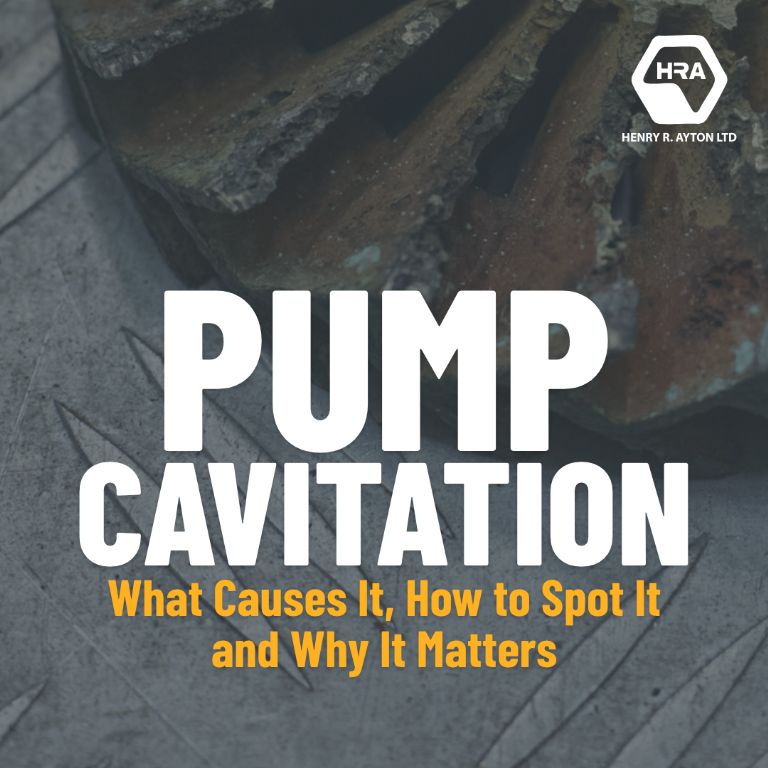
Cavitation occurs when the pressure of a liquid falls sufficiently for vapour bubbles to form within the fluid. As these bubbles move into an area of higher pressure, they collapse.
When this happens repeatedly inside a pump, the resulting forces can affect internal components and interfere with normal pump operation.
Cavitation should therefore not simply be regarded as an unusual pump noise. It can indicate that the pump or system is operating under conditions that require investigation.
What Can Cause Cavitation?
Cavitation can result from a number of factors relating to the pump, system design and operating conditions.
Restrictions on the suction side of a system can contribute to insufficient pressure at the pump inlet. Operating conditions that differ significantly from those for which the pump and system were designed can also create problems.
Other factors can include the properties and temperature of the liquid being pumped, suction conditions and changes elsewhere within the system.
For this reason, identifying cavitation requires looking beyond the pump itself and considering the wider operating environment.
What Are the Warning Signs?
One of the most recognisable signs of cavitation is unusual noise from the pump. Operators may describe the sound as rattling, crackling or similar to gravel moving through the equipment.
Other potential indicators include increased vibration, unstable operation and deterioration in pump performance.
These symptoms should not automatically be assumed to be cavitation, as other mechanical or system problems can produce similar warning signs. However, a noticeable change in the way a pump sounds, vibrates or performs should be investigated.
Why Does Cavitation Matter?
Repeated cavitation can damage internal pump surfaces over time. It can also contribute to vibration and place additional stress on components within the pump and connected equipment.
Left unresolved, an operating problem that initially appears relatively minor may contribute to increased maintenance requirements and unplanned downtime.
The objective should therefore be to identify the underlying cause rather than simply addressing the visible effects.
Taking a System-Wide Approach
When investigating suspected cavitation, it is important to consider the complete pumping system.
Operating conditions, suction arrangements, flow requirements and the suitability of the pump for the application can all play a role. Changes made elsewhere in a process can also alter the conditions under which an existing pump operates.
Regular inspection and preventative maintenance can help identify changes in pump behaviour before they develop into more serious problems.
Supporting Reliable Pump Operation
Henry R Ayton supplies and refurbishes pumps as part of its range of industrial products and services. Working closely with customers, the company provides technical knowledge and service solutions tailored to individual requirements.
If you are experiencing pump performance issues or need support with pump supply or refurbishment, contact the Henry R Ayton team to discuss your requirements:
Cork: +353 21 4853000
Dublin: +353 1 4517922
Belfast: +44(0)28 9061 8511
Email: sales@hrayton.com